
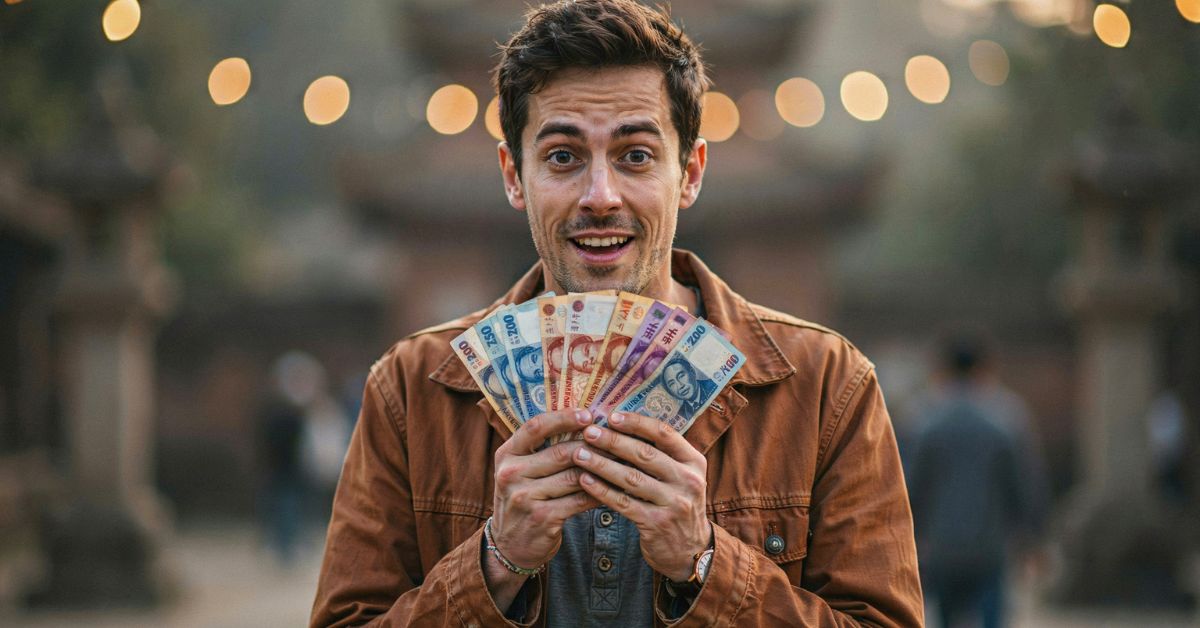
The US dollar is having a moment. As of mid-2026, the greenback remains strong against a basket of global currencies, driven by sustained interest rate differentials, geopolitical uncertainty favoring dollar-denominated assets, and varying inflation trajectories across economies.
For American travelers, this creates specific windows of opportunity. While the dollar’s strength isn’t uniform everywhere, there are several countries where your money goes significantly further than it did just two or three years ago.
Here are the 5 countries where the dollar stretches farthest in late 2026, backed by the most recent exchange rate data from the US Treasury and central bank sources.
1. Argentina
Exchange rate (March 2026): 1 USD = 1,420 Argentine Pesos (ARS)
Source: US Treasury Fiscal Data, Treasury Reporting Rates of Exchange, March 31, 2026
Argentina has been in an ongoing currency crisis, and for travelers, that translates to extraordinary value. The official rate of roughly 1,420 ARS to the dollar means that costs that were once comparable to European prices are now closer to Southeast Asian levels.
What things actually cost in Buenos Aires (2026):
- A steak dinner with Malbec at a parrilla in Palermo: $8-12
- Coffee at a café: $0.80-1.50
- Hostel dorm bed: $8-12 per night
- Mid-range hotel room: $35-55 per night
- Uber ride across the city: $3-5
- Museum entrance: $1-3
The unofficial “blue dollar” rate (used in informal transactions) often trades at a premium to the official rate, giving even more purchasing power to travelers who exchange cash. However, this operates in a legal gray area — check current regulations before traveling.
Best for: Food lovers, culture seekers, and anyone who wants a European-feeling city at developing-world prices. Buenos Aires has world-class architecture, tango, and a dining scene that rivals Paris at a fraction of the cost.
Notable data point: According to the US Treasury’s March 2026 report, the Argentine Peso has weakened from roughly 350 ARS/USD in January 2023 to 1,420 ARS/USD in March 2026 — a decline of over 75% in three years.
2. Turkey
Exchange rate (May 2026): 1 USD = ~45.6 Turkish Lira (TRY)
Source: Investing.com TRY/USD rates, May 2026; US Treasury March 2026: 1 USD = 43.3 TRY
Turkey offers perhaps the best ratio of quality to cost in the world right now. The lira has been on a sustained downward trend, and while this creates economic challenges for locals, it makes Turkey exceptionally affordable for dollar-carrying visitors.
What things actually cost in Istanbul (2026):
- Full breakfast spread (kahvalti): $4-7
- Doner or kofte sandwich: $2-3
- Coffee: $1-2
- Hostel dorm: $10-15
- Boutique hotel room in Sultanahmet: $30-60
- Internal flight (Istanbul to Cappadocia): $30-50
- Grand Bazaar items (after haggling): 50-70% less than US retail
The catch with Turkey is inflation — local prices rise frequently, which can eat into the currency advantage. However, for travel purposes, the devaluation has generally outpaced inflation, keeping Turkey in the “strong value” category for American tourists.
Best for: History buffs (Istanbul, Ephesus, Cappadocia), beach lovers (Antalya coast), and anyone seeking a genuinely unique cultural experience that spans Europe and Asia.
3. Japan
Exchange rate (June 2026): 1 USD = ~145 Japanese Yen (JPY)
Source: Federal Reserve H.10 data, June 2026
Japan is the surprise entry on this list. The yen has weakened significantly against the dollar over the past few years, trading at levels not seen since the 1980s in terms of relative purchasing power.
Japan was historically considered an expensive destination, but that reputation is outdated. In 2026, Japan offers legitimate value for American travelers.
What things actually cost in Tokyo (2026):
- Bowl of ramen: $5-8
- Sushi breakfast at a conveyor belt spot: $6-10
- Coffee: $2-3
- Hostel dorm: $15-25
- Budget hotel (APA, Toyoko Inn): $40-70 per night
- 7-Eleven meal (onigiri + drink + snack): $4
- Train from Narita Airport to Tokyo: $20
- Temple/shrine entrance: $0-5
The Japan Rail Pass, while subject to recent price increases, still offers value for travelers covering long distances. A 7-day pass costs approximately $250 — roughly the cost of a round-trip Tokyo-Kyoto-Osaka loop without the pass.
Best for: Food enthusiasts, pop culture fans, outdoor adventurers (the Japanese Alps, Kumano Kodo), and anyone interested in a country where efficiency and hospitality are cultural cornerstones.
4. Vietnam
Exchange rate (2026): 1 USD = ~25,000 Vietnamese Dong (VND)
Source: XE.com, benchmarked against Federal Reserve data
Vietnam has always been a budget destination, but the dollar’s current strength relative to the dong keeps it in the “exceptional value” category. The country is also benefiting from a tourism infrastructure boom, meaning quality is improving faster than prices.
What things actually cost in Vietnam (2026):
- Bowl of pho: $1.50-3
- Banh mi sandwich: $1-2
- Vietnamese coffee (ca phe sua da): $1-2
- Hostel dorm: $5-8
- Budget hotel: $12-20 per night
- Motorbike rental per day: $5-8
- Ha Long Bay overnight cruise: $60-90
- Internal flight (Hanoi to HCMC): $35-60
According to the 2026 Southeast Asia backpacker budget guide from TravelArbitrage.net, Vietnam’s daily budget ranges from $18-26 for budget travelers and $40-60 for mid-range travelers — among the lowest in the region.
Best for: Food travelers, history enthusiasts (war museums, ancient towns), nature lovers (Ha Long Bay, Sapa, Phong Nha), and motorbike adventurers.
5. Hungary
Exchange rate (2026): 1 USD = ~368 Hungarian Forint (HUF)
Source: US Treasury March 2026 reporting rate: 1 USD = 368 HUF
Hungary offers Central European charm and culture at Eastern European prices. Budapest combines the architectural grandeur of Vienna with costs roughly 35-40% lower. The forint has weakened against the dollar as Hungary’s inflation has outpaced the eurozone, creating a favorable window for travelers.
What things actually cost in Budapest (2026):
- Goulash at a traditional restaurant: $6-9
- Langos (fried dough) at the Great Market Hall: $3-4
- Craft beer at a ruin bar: $2-4
- Hostel dorm: $15-22
- Mid-range hotel room: $40-70
- Spa entry (Szechenyi Baths): $18-22
- Tram ticket: $1
- Opera ticket (Hungarian State Opera): $8-15
The ruin bars of the Jewish Quarter, the thermal baths, and the Danube views are all world-class attractions that cost significantly less than comparable experiences in Western Europe.
Best for: Culture and history travelers, spa enthusiasts (Budapest is the “City of Spas”), nightlife seekers, and anyone wanting a taste of Central Europe without the premium pricing of Vienna or Prague.
The Numbers: How These Countries Compare
| Country | Currency | USD Exchange Rate (2026) | Budget Daily Cost | Beer | Meal |
|---|---|---|---|---|---|
| Argentina | ARS | 1,420 | $30-45 | $1-2 | $8-12 |
| Turkey | TRY | 45.6 | $25-40 | $1-2 | $4-7 |
| Japan | JPY | 145 | $40-60 | $3-5 | $5-8 |
| Vietnam | VND | 25,000 | $18-26 | $0.50-1 | $1-3 |
| Hungary | HUF | 368 | $40-55 | $2-3 | $6-9 |
Sources: US Treasury March 2026, Federal Reserve H.10, Numbeo cost of living indexes
The One to Watch: Colombia
Colombia narrowly missed this list, but it deserves an honorable mention. The Colombian Peso (COP) traded at roughly 4,200 per USD in early 2026 (US Treasury March 2026: 1 USD = 4,200 COP). Budget daily costs of $25-40 make it competitive with the countries above, particularly for travelers interested in South America.
The Bottom Line
Currency fluctuations create temporary windows of exceptional travel value. The dollar’s strength against the Argentine Peso, Turkish Lira, Japanese Yen, Vietnamese Dong, and Hungarian Forint in 2026 means these five countries offer the biggest bang for your buck right now.
But currency advantages don’t last forever. Rate differentials close, inflation adjusts, and the window narrows. If any of these destinations are on your list, 2026 may be the year to go.
Exchange rates sourced from: US Department of Treasury, Fiscal Service, Treasury Reporting Rates of Exchange (March 2026); Federal Reserve H.10 Foreign Exchange Rates (June 1, 2026); Investing.com. All rates are approximate and fluctuate daily. Verify current rates before travel.